The latest from TechCrunch
- Where Have The Users Gone?
- The Next Battle for Internet Freedom Could Be Over 3D Printing
- 5 Design Tricks Facebook Uses To Affect Your Privacy Decisions
- SAP Holding Startup Forums To Develop Ecosystem For HANA — The Company's First Ever Platform Play
- Wanna Collaborate On A Song With Paul Oakenfold? Beatlab Is Making It Happen
- With A San Francisco Launch Imminent, Lyft Is Doubling Its Fleet Of Drivers And Readying An Android App
- Patents Are Worthwhile For Startups To Pursue In the US, But Not Abroad
- Astronaut And Innovation Icon Neil Armstrong Passes Away At 82
- Facebook's New Retargeted Ads Performing "Very Well", Adds Partners To Run Them
- Email Tricks Of The Super Successful
- All Your Metadata Shall Be In Water Writ
- Apple's New Mini iPad Expected To Take The Stage At October Event
- Gillmor Gang: Social Mediocracy
- Coders Can't Put Writers Out Of A Job Yet, But We'd Better Watch Our Backs
- Sequoia Capital's Latest $975 Million Raise Is All About International
- What Happens When Pollsters Are No Better Than Psychics?
- Why The Internet Hates My Name (It's The Accent Marks)
- The Battle Continues: Apple/Samsung Injunction Hearing Set For September 20
- Apple Stock Reaches New All-Time High Following Verdict, Up 1.70% To $674.48 After Hours
- Apple Now Owed Only $1.049 Billion In Damages After Jury Revisits Inconsistent Verdict
| Where Have The Users Gone? | Top |
 Editor's Note: Nir Eyal writes about the intersection of psychology, technology, and business at NirAndFar.com. He is the author of the forthcoming book "Hooked: How to Drive Engagement by Creating User Habits". Step 1: Build an app. Step 2: Get users hooked to it. Step 3: Profit. It sounds simple and, given our umbilical ties to cell phones, social media, and email inboxes, it may even sound plausible. Recently, tech entrepreneurs and investors have started to look to psychology for ways to strike it rich by altering user behavior. Perhaps you’ve read essays on how to create habit-forming technology and figured you’d give it a shot? Well hold your dogs Pavlov! Though I'm an advocate for understanding user behavior to build high-engagement products, the reality is that successfully creating long-term habits is exceptionally rare. Changing behavior requires not only an understanding of how to persuade users to act — for example, the first time they land on a webpage — but also necessitates getting them to behave differently for long periods of time, ideally for the rest of their lives. The good news is that that companies that accomplish this rare feat are the ones associated with game-changing, wildly successful innovation. Google, Apple, Twitter, and Android come to mind. As we enter a world where, according to Paul Graham, everything is becoming more addictive, the companies that successfully form and control habits in the future will come to dominate the industries of tomorrow. Habits or Hype? But claiming that habits are the keys to success is a tall order. If people like me provide ready-made formulas and guidebooks on how to create habits, why isn’t every company that alters user behavior succeeding? Zynga, an enterprise whose business model depends on hooking millions of people to its games, is hemorrhaging users, employees and investors. What makes some habits stick while others die like virtual cows on their way to slaughter? Turns out that like any discipline, habit design has rules and caveats which explain why some products change lives forever while others create fleeting fads. Habits are LIFO New behaviors have a short half-life as our minds tend to revert back to our old ways. Experiments show that lab animals habituated to new behaviors tend to regress to their first learned behaviors over time. This helps explain the overwhelming evidence that people rarely change. Research shows that nearly everyone who tries to lose weight gains back the pounds within 2 Editor's Note: Nir Eyal writes about the intersection of psychology, technology, and business at NirAndFar.com. He is the author of the forthcoming book "Hooked: How to Drive Engagement by Creating User Habits". Step 1: Build an app. Step 2: Get users hooked to it. Step 3: Profit. It sounds simple and, given our umbilical ties to cell phones, social media, and email inboxes, it may even sound plausible. Recently, tech entrepreneurs and investors have started to look to psychology for ways to strike it rich by altering user behavior. Perhaps you’ve read essays on how to create habit-forming technology and figured you’d give it a shot? Well hold your dogs Pavlov! Though I'm an advocate for understanding user behavior to build high-engagement products, the reality is that successfully creating long-term habits is exceptionally rare. Changing behavior requires not only an understanding of how to persuade users to act — for example, the first time they land on a webpage — but also necessitates getting them to behave differently for long periods of time, ideally for the rest of their lives. The good news is that that companies that accomplish this rare feat are the ones associated with game-changing, wildly successful innovation. Google, Apple, Twitter, and Android come to mind. As we enter a world where, according to Paul Graham, everything is becoming more addictive, the companies that successfully form and control habits in the future will come to dominate the industries of tomorrow. Habits or Hype? But claiming that habits are the keys to success is a tall order. If people like me provide ready-made formulas and guidebooks on how to create habits, why isn’t every company that alters user behavior succeeding? Zynga, an enterprise whose business model depends on hooking millions of people to its games, is hemorrhaging users, employees and investors. What makes some habits stick while others die like virtual cows on their way to slaughter? Turns out that like any discipline, habit design has rules and caveats which explain why some products change lives forever while others create fleeting fads. Habits are LIFO New behaviors have a short half-life as our minds tend to revert back to our old ways. Experiments show that lab animals habituated to new behaviors tend to regress to their first learned behaviors over time. This helps explain the overwhelming evidence that people rarely change. Research shows that nearly everyone who tries to lose weight gains back the pounds within 2 | |
| The Next Battle for Internet Freedom Could Be Over 3D Printing | Top |
 Either we allow for the ambiguity that freedom and unregulated 3D printing will bring, or we enforce far-reaching laws that may decrease liberty without changing results. For those who appreciate the internet because of its democratizing effects and freedom, I believe the choice is clear. We should decide now that we will oppose any law that attempts to undermine freedom on the internet, no matter the consequences. Either we allow for the ambiguity that freedom and unregulated 3D printing will bring, or we enforce far-reaching laws that may decrease liberty without changing results. For those who appreciate the internet because of its democratizing effects and freedom, I believe the choice is clear. We should decide now that we will oppose any law that attempts to undermine freedom on the internet, no matter the consequences. | |
| 5 Design Tricks Facebook Uses To Affect Your Privacy Decisions | Top |
 Do you know how many apps access your personal information on Facebook? Check your Facebook apps permissions and get ready for a surprise. In fact, Facebook keeps "improving" their design so that more of us will add apps on Facebook without realizing we're granting those apps (and their creators) access to our personal information. After all, this access to our information and identity is the currency Facebook is trading in and what is driving its stock up or down. It should be no surprise that in the new App Center Facebook made another leap forward in their efforts to get you to expose your personal info without realizing you're doing so. #1: The Single Button Trick In the old design Facebook used two buttons - "Allow" and "Don't Allow" - which automatically led you to make a decision. In the new App Center Facebook chose to use a single button. No confirmation, no decisions to make. One click and, boom, your done! Your information was passed on to the app developers and you never even notice it. Do you know how many apps access your personal information on Facebook? Check your Facebook apps permissions and get ready for a surprise. In fact, Facebook keeps "improving" their design so that more of us will add apps on Facebook without realizing we're granting those apps (and their creators) access to our personal information. After all, this access to our information and identity is the currency Facebook is trading in and what is driving its stock up or down. It should be no surprise that in the new App Center Facebook made another leap forward in their efforts to get you to expose your personal info without realizing you're doing so. #1: The Single Button Trick In the old design Facebook used two buttons - "Allow" and "Don't Allow" - which automatically led you to make a decision. In the new App Center Facebook chose to use a single button. No confirmation, no decisions to make. One click and, boom, your done! Your information was passed on to the app developers and you never even notice it. | |
| SAP Holding Startup Forums To Develop Ecosystem For HANA — The Company's First Ever Platform Play | Top |
 SAP is doing a series of startup forums that signal a significant change in the company. It's a move unlike any we see from the likes of HP, Oracle or IBM. SAP is making a play as a platform company. It is building a developer community and backing it up with a special $155 million fund specifically meant to help build an ecosystem for HANA --- the company' s real-time analysis technology and new crown jewel. SAP is doing a series of startup forums that signal a significant change in the company. It's a move unlike any we see from the likes of HP, Oracle or IBM. SAP is making a play as a platform company. It is building a developer community and backing it up with a special $155 million fund specifically meant to help build an ecosystem for HANA --- the company' s real-time analysis technology and new crown jewel. | |
| Wanna Collaborate On A Song With Paul Oakenfold? Beatlab Is Making It Happen | Top |
 Historically there's been a pretty high barrier to entry when it comes to making electronic music. The standard tools used to create beats are software programs things like Traktor and Ableton Live, desktop programs aimed at professional music producers that have tons of complicated features (and pricetags that start in the hundreds of dollars.) They're great tools for pros, but they're still not exactly beginner friendly. That's where Beatlab, a San Francisco startup run by Jonathan Baudanza, has come in with a much more lightweight and low maintenance option. And this week, the site is having its first brush with the big time: Beatlab is partnering with famed electronic music producer and DJ Paul Oakenfold to hold a remix contest. Historically there's been a pretty high barrier to entry when it comes to making electronic music. The standard tools used to create beats are software programs things like Traktor and Ableton Live, desktop programs aimed at professional music producers that have tons of complicated features (and pricetags that start in the hundreds of dollars.) They're great tools for pros, but they're still not exactly beginner friendly. That's where Beatlab, a San Francisco startup run by Jonathan Baudanza, has come in with a much more lightweight and low maintenance option. And this week, the site is having its first brush with the big time: Beatlab is partnering with famed electronic music producer and DJ Paul Oakenfold to hold a remix contest. | |
| With A San Francisco Launch Imminent, Lyft Is Doubling Its Fleet Of Drivers And Readying An Android App | Top |
 It's been just eight weeks since Zimride's ride-sharing service, Lyft, was launched in beta, providing San Francisco users a low-cost alternative to cabs and Ubers. Since then, the service has grown a tremendous amount: It's got more than 100 drivers operating in the area, who together are taking hundreds of riders a day. Lyft works like other car transportation apps: You open it up and the app searching for available cars nearby. Difference is, those cars are driven by regular folks, not your usual surly taxi driver or buttoned up Uber driver. Users can rate their drivers, and at the end of the ride, there's a suggested donation, which is typically about 80 percent less than your average taxi fare. Drivers also rate their passengers -- more on that later. It's been just eight weeks since Zimride's ride-sharing service, Lyft, was launched in beta, providing San Francisco users a low-cost alternative to cabs and Ubers. Since then, the service has grown a tremendous amount: It's got more than 100 drivers operating in the area, who together are taking hundreds of riders a day. Lyft works like other car transportation apps: You open it up and the app searching for available cars nearby. Difference is, those cars are driven by regular folks, not your usual surly taxi driver or buttoned up Uber driver. Users can rate their drivers, and at the end of the ride, there's a suggested donation, which is typically about 80 percent less than your average taxi fare. Drivers also rate their passengers -- more on that later. | |
| Patents Are Worthwhile For Startups To Pursue In the US, But Not Abroad | Top |
 A recent TechCrunch guest post by Jeffrey Shieh suggests that startups should file for international patent protection for a variety of reasons. Mr. Shieh does a great job of explaining the benefits and options for seeking international patent protection. However, based on my experience working with startups, I disagree with his conclusion that startups should expend precious early funds on international filings. A recent TechCrunch guest post by Jeffrey Shieh suggests that startups should file for international patent protection for a variety of reasons. Mr. Shieh does a great job of explaining the benefits and options for seeking international patent protection. However, based on my experience working with startups, I disagree with his conclusion that startups should expend precious early funds on international filings. | |
| Astronaut And Innovation Icon Neil Armstrong Passes Away At 82 | Top |
 NBC News reports that astronaut and icon Neil Armstrong passed away earlier today due to complications from a heart-bypass operation he underwent a few weeks ago. He was 82. Though his merits were many, Armstrong was best known for one thing. On that fateful day back in July 1969, with the eyes of history watching, he clambered down the ladder on the front leg of the Lunar Module "Eagle" to become the first man to set foot on the Moon. "That's one small step for a man, one giant leap for mankind," he said. NBC News reports that astronaut and icon Neil Armstrong passed away earlier today due to complications from a heart-bypass operation he underwent a few weeks ago. He was 82. Though his merits were many, Armstrong was best known for one thing. On that fateful day back in July 1969, with the eyes of history watching, he clambered down the ladder on the front leg of the Lunar Module "Eagle" to become the first man to set foot on the Moon. "That's one small step for a man, one giant leap for mankind," he said. | |
| Facebook's New Retargeted Ads Performing "Very Well", Adds Partners To Run Them | Top |
 Facebook Exchange could pull in a wealth of new advertising dollars by letting businesses retarget ads at Facebook users who've visited their websites. Now I've learned and confirmed that the first Exchange ads are running, and Facebook has nearly doubled the companies with access to the program. Plus one source close to Exchange tells me "initial results are good, they're going very, very well." Announced 10 weeks ago, Exchange brings the first cookie-based retargeted ads to Facebook -- a format common around the web but that Facebook must handle delicately because of privacy. The expansion and comments from Sheryl Sandberg show Facebook has high hopes that Exchange will bolster its bottom line. Facebook Exchange could pull in a wealth of new advertising dollars by letting businesses retarget ads at Facebook users who've visited their websites. Now I've learned and confirmed that the first Exchange ads are running, and Facebook has nearly doubled the companies with access to the program. Plus one source close to Exchange tells me "initial results are good, they're going very, very well." Announced 10 weeks ago, Exchange brings the first cookie-based retargeted ads to Facebook -- a format common around the web but that Facebook must handle delicately because of privacy. The expansion and comments from Sheryl Sandberg show Facebook has high hopes that Exchange will bolster its bottom line. | |
| Email Tricks Of The Super Successful | Top |
 Over the past month, the most successful people I know have taught me a very important lesson: be a great emailer. Nearly all of them have a few simple tricks up their super-efficient sleeves: be ridiculously fast (responding in 30 minutes and no more than 24 hours), keep messages short, delegate responsibility through CC, and be available every waking moment. Over the past month, the most successful people I know have taught me a very important lesson: be a great emailer. Nearly all of them have a few simple tricks up their super-efficient sleeves: be ridiculously fast (responding in 30 minutes and no more than 24 hours), keep messages short, delegate responsibility through CC, and be available every waking moment. | |
| All Your Metadata Shall Be In Water Writ | Top |
 The power of the internet lies in its near-infinite mutability. It's an edifice of information being added to and sculpted by as many hands as there are eyes viewing it. Truly democratic and increasingly accessible, it will soon be the vector for most communication that takes place on our world. But its mutability is also a weakness, as so many great strengths are. The weakness arises from a lack of permanence: it is impossible to make an indelible mark. Lack of permanence! you say. Why, I can request 500 pages of data on file at Facebook, and the NSA is building a profile on me that includes every cookie I've ever been issued. True, but the data itself is impermanent. Vulnerable in a dozen ways to being rewritten, manipulated, retouched, softened, or otherwise reduced from a record to a falsification. The data we create today is not etched in stone but "writ in water." The benefits of this we have seen, and monumental they are, but soon we will know its danger, too. The power of the internet lies in its near-infinite mutability. It's an edifice of information being added to and sculpted by as many hands as there are eyes viewing it. Truly democratic and increasingly accessible, it will soon be the vector for most communication that takes place on our world. But its mutability is also a weakness, as so many great strengths are. The weakness arises from a lack of permanence: it is impossible to make an indelible mark. Lack of permanence! you say. Why, I can request 500 pages of data on file at Facebook, and the NSA is building a profile on me that includes every cookie I've ever been issued. True, but the data itself is impermanent. Vulnerable in a dozen ways to being rewritten, manipulated, retouched, softened, or otherwise reduced from a record to a falsification. The data we create today is not etched in stone but "writ in water." The benefits of this we have seen, and monumental they are, but soon we will know its danger, too. | |
| Apple's New Mini iPad Expected To Take The Stage At October Event | Top |
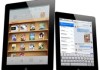 Tell me if this particular rumor sounds familiar -- rather than lump the announcements of a new iPhone and a new iPad into a single event, Apple will instead unveil the products at two distinct events. Daring Fireball's John Gruber offered up that tantalizing possibility earlier in the week, and now it seems that he may have hit the nail on the head. According to a new report from AllThingsD, sources close to the situation have confirmed that Apple will pull back the curtain on a new, smaller iPad during a special event in October. Meanwhile, all signs still point to an iPhone unveiling on September 12, so rabid members of the tech press and Apple's fan club should have plenty of time to dig into one new product before another takes the stage. Tell me if this particular rumor sounds familiar -- rather than lump the announcements of a new iPhone and a new iPad into a single event, Apple will instead unveil the products at two distinct events. Daring Fireball's John Gruber offered up that tantalizing possibility earlier in the week, and now it seems that he may have hit the nail on the head. According to a new report from AllThingsD, sources close to the situation have confirmed that Apple will pull back the curtain on a new, smaller iPad during a special event in October. Meanwhile, all signs still point to an iPhone unveiling on September 12, so rabid members of the tech press and Apple's fan club should have plenty of time to dig into one new product before another takes the stage. | |
| Gillmor Gang: Social Mediocracy | Top |
 The Gillmor Gang — Robert Scoble, Keith Teare, Kevin Marks, John Taschek, and Steve Gillmor — planted a big fat one on Google +'s new Circle Notification sliders. These babies mean Google + conversations may now encourage self-filtering, rather than waiting for an API or Twitter killing off any more partners. @scobleizer made a good case for Facebook's new iOS native app, and along the way explained why Zuck was not driving the company into the turf. @kteare indulged his fantasy of a one-app-does-all future, while @kevinmarks demurred and @jtaschek explored what appeared to be the inside of Scoble's head. Me, I sat back and enjoyed the show. The Gillmor Gang — Robert Scoble, Keith Teare, Kevin Marks, John Taschek, and Steve Gillmor — planted a big fat one on Google +'s new Circle Notification sliders. These babies mean Google + conversations may now encourage self-filtering, rather than waiting for an API or Twitter killing off any more partners. @scobleizer made a good case for Facebook's new iOS native app, and along the way explained why Zuck was not driving the company into the turf. @kteare indulged his fantasy of a one-app-does-all future, while @kevinmarks demurred and @jtaschek explored what appeared to be the inside of Scoble's head. Me, I sat back and enjoyed the show. | |
| Coders Can't Put Writers Out Of A Job Yet, But We'd Better Watch Our Backs | Top |
 Last week The New York Times ran a story by John Markoff about robots replacing human workers. Andrew McAfee, co-author of the excellent Race Against The Machine followed up with a post of his own. The gist: technology and automation lead to more job creation than job displacement in the past, but that may be changing. Writing is one of the few areas that McAfee and his co-author Erik Brynjolfsson identified as a low risk for bot replacement. But there are a few attempts underway to train computers to do basic journalism. And while these projects can't truly replace humans, and may never be able to, my fellow writers and I should be worried about our jobs anyway. Last week The New York Times ran a story by John Markoff about robots replacing human workers. Andrew McAfee, co-author of the excellent Race Against The Machine followed up with a post of his own. The gist: technology and automation lead to more job creation than job displacement in the past, but that may be changing. Writing is one of the few areas that McAfee and his co-author Erik Brynjolfsson identified as a low risk for bot replacement. But there are a few attempts underway to train computers to do basic journalism. And while these projects can't truly replace humans, and may never be able to, my fellow writers and I should be worried about our jobs anyway. | |
| Sequoia Capital's Latest $975 Million Raise Is All About International | Top |
 It looks like Sequoia Capital finally closed in on that cash we've been hearing about. We've heard that the firm has raised three separate funds for U.S., China and Israeli investments. Our sources say that Sequoia has already raised $450 million for a U.S. venture fund, $325 million for a China venture fund, and $200 million for a fund for Israel-based venture investments. While the amount has already been raised, the funds will be closed in the next month, we hear. This is in line with a Bloomberg report released earlier this week. It looks like Sequoia Capital finally closed in on that cash we've been hearing about. We've heard that the firm has raised three separate funds for U.S., China and Israeli investments. Our sources say that Sequoia has already raised $450 million for a U.S. venture fund, $325 million for a China venture fund, and $200 million for a fund for Israel-based venture investments. While the amount has already been raised, the funds will be closed in the next month, we hear. This is in line with a Bloomberg report released earlier this week. | |
| What Happens When Pollsters Are No Better Than Psychics? | Top |
 I'm going to get a little political here, but bear with me, this is a tech post in the end. I'm in the midst of a trip from my new home in Berkeley, through my old stomping grounds in New York City, to my hometown in Canada. Politically, almost everyone in all three places falls in one of two camps: either they view the US Republican Party as evil incarnate, or (like me) they're fiscal conservatives who might once have been vaguely sympathetic to their avowed goals, but now see Republicans as the party of delusional magical-thinking cargo cultists. Whether we're right or not isn't the point. (Although we are.) The point is that almost no one in any of my filter bubbles can even imagine a person who is not evil, insane, and/or an idiot voting for Romney/Ryan. And yet--according to the polls--they're practically neck and neck with Obama/Biden. If the Republicans win November's election, the people I know will be disappointed...but we won't be in a state of shocked disbelief. Because of the polls. I'm going to get a little political here, but bear with me, this is a tech post in the end. I'm in the midst of a trip from my new home in Berkeley, through my old stomping grounds in New York City, to my hometown in Canada. Politically, almost everyone in all three places falls in one of two camps: either they view the US Republican Party as evil incarnate, or (like me) they're fiscal conservatives who might once have been vaguely sympathetic to their avowed goals, but now see Republicans as the party of delusional magical-thinking cargo cultists. Whether we're right or not isn't the point. (Although we are.) The point is that almost no one in any of my filter bubbles can even imagine a person who is not evil, insane, and/or an idiot voting for Romney/Ryan. And yet--according to the polls--they're practically neck and neck with Obama/Biden. If the Republicans win November's election, the people I know will be disappointed...but we won't be in a state of shocked disbelief. Because of the polls. | |
| Why The Internet Hates My Name (It's The Accent Marks) | Top |
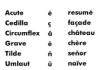 The Internet doesn't like me — or, at least, it doesn't care much for my name. My first name consists of two words and I have accent marks in both my first and last names, which seems to complicate my online life considerably. When trying to purchase an airline ticket or sign up for an email newsletter, I'm never completely certain whether it will go through, or how my name will come out of the transaction, but I'm usually pretty sure it won't be right. Turns out it's not me. Rather it's the archaic remnants of how computers came to be programmed in the U.S. during the mid-twentieth century. When standards for exchanging data between computers such as ASCII were created, the workforce consisted mostly of white males. They created programs still widely used today recognizing certain symbols and names — accent marks are not typically among them. The Internet doesn't like me — or, at least, it doesn't care much for my name. My first name consists of two words and I have accent marks in both my first and last names, which seems to complicate my online life considerably. When trying to purchase an airline ticket or sign up for an email newsletter, I'm never completely certain whether it will go through, or how my name will come out of the transaction, but I'm usually pretty sure it won't be right. Turns out it's not me. Rather it's the archaic remnants of how computers came to be programmed in the U.S. during the mid-twentieth century. When standards for exchanging data between computers such as ASCII were created, the workforce consisted mostly of white males. They created programs still widely used today recognizing certain symbols and names — accent marks are not typically among them. | |
| The Battle Continues: Apple/Samsung Injunction Hearing Set For September 20 | Top |
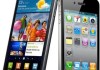 Oh, you thought this whole mess was over now that Samsung has to pony up $1.049 billion in damages to its bitter rival Apple? Not by a long shot. According to The Verge, Samsung and Apple attorneys have been talking with Judge Koh about a preliminary injunction hearing, and have apparently agreed to schedule it on September 20. Now that Apple has a considerable jury verdict to back up its claims, you can expect the company to push Samsung hard to either license the infringed patents in question (meaning Samsung would have to pay out even more money on top of the damages it already owes) or bar the Korean electronics giant from peddling some of its questionable wares in the United States. Oh, you thought this whole mess was over now that Samsung has to pony up $1.049 billion in damages to its bitter rival Apple? Not by a long shot. According to The Verge, Samsung and Apple attorneys have been talking with Judge Koh about a preliminary injunction hearing, and have apparently agreed to schedule it on September 20. Now that Apple has a considerable jury verdict to back up its claims, you can expect the company to push Samsung hard to either license the infringed patents in question (meaning Samsung would have to pay out even more money on top of the damages it already owes) or bar the Korean electronics giant from peddling some of its questionable wares in the United States. | |
| Apple Stock Reaches New All-Time High Following Verdict, Up 1.70% To $674.48 After Hours | Top |
 Apple stock reached a new all-time high as it rose 1.79% to $675.11 in after-hours trading at the time of publication. The stock opened Friday morning at $659.51. A few hours after the market closed on Friday afternoon, a jury in San Jose federal court ruled in favor of Apple in a landmark patent case. Samsung must pay Apple $1,051,855,000 (although that exact figure is being disputed) in damages. Apple stock reached a new all-time high as it rose 1.79% to $675.11 in after-hours trading at the time of publication. The stock opened Friday morning at $659.51. A few hours after the market closed on Friday afternoon, a jury in San Jose federal court ruled in favor of Apple in a landmark patent case. Samsung must pay Apple $1,051,855,000 (although that exact figure is being disputed) in damages. | |
| Apple Now Owed Only $1.049 Billion In Damages After Jury Revisits Inconsistent Verdict | Top |
 It's a good thing that lawyers from both Apple and Samsung were allowed to review the jury's verdict document after it was read, because there seem to be a few issues with it. Upon further review, there were two instances in which the jury prescribed monetary damages in Apple's favor without actually backing up the decision. According to Judge Lucy Koh, the jury awarded Apple nearly $220,000 in damages when it came to Samsung's LTE-capable Galaxy Tab 10.1, but didn't formally note any instances of patent infringement or inducement. It's a good thing that lawyers from both Apple and Samsung were allowed to review the jury's verdict document after it was read, because there seem to be a few issues with it. Upon further review, there were two instances in which the jury prescribed monetary damages in Apple's favor without actually backing up the decision. According to Judge Lucy Koh, the jury awarded Apple nearly $220,000 in damages when it came to Samsung's LTE-capable Galaxy Tab 10.1, but didn't formally note any instances of patent infringement or inducement. | |
CREATE MORE ALERTS:
Auctions - Find out when new auctions are posted
Horoscopes - Receive your daily horoscope
Music - Get the newest Album Releases, Playlists and more
News - Only the news you want, delivered!
Stocks - Stay connected to the market with price quotes and more
Weather - Get today's weather conditions
| You received this email because you subscribed to Yahoo! Alerts. Use this link to unsubscribe from this alert. To change your communications preferences for other Yahoo! business lines, please visit your Marketing Preferences. To learn more about Yahoo!'s use of personal information, including the use of web beacons in HTML-based email, please read our Privacy Policy. Yahoo! is located at 701 First Avenue, Sunnyvale, CA 94089. |
No comments:
Post a Comment